Manthel: A Retro Script Font with Modern Design Flair
In a digital landscape saturated with generic typefaces, finding a font with genuine personality can feel like a breakthrough. Manthel is a retro-inspired script font that answers this need, blending the warmth of vintage hand-lettering with the clean functionality required for today's projects. It's not just another script font; it's a design asset built to add character and sophistication to your work without sacrificing versatility. For designers, entrepreneurs, and creators, understanding how to leverage a font like Manthel can be the key to elevating a project from good to memorable.
The Visual Character of Manthel: Where Nostalgia Meets Nuance
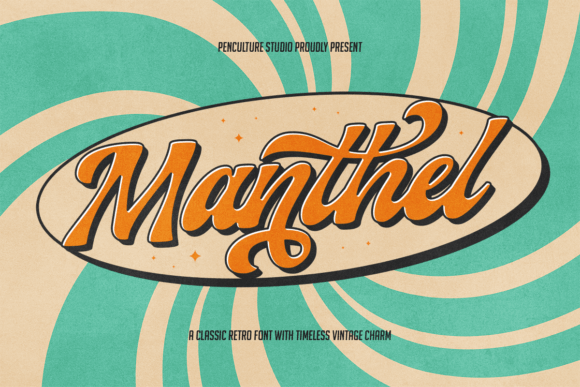
At its core, Manthel draws direct inspiration from the elegant cursive and bold advertising scripts of the mid-20th century. You can see this in its flowing, connected letterforms and the subtle, intentional irregularities that mimic the pressure of a brush or pen. This gives it an authentic, handcrafted feel that digital fonts often lack. However, it avoids feeling dated or overly rustic. The design is refined, with consistent proportions and a rhythm that ensures visual harmony across longer words and phrases.
The true power of Manthel lies in its extensive set of stylistic alternates and ligatures. These are not mere decorations but tools for customization. Swapping an alternate "a" or "g" can change the entire mood of a word. Ligatures seamlessly connect tricky letter pairs like "st" or "th," creating a more fluid and professional result. This level of control allows you to tailor the font to your specific brand voice, whether you're aiming for playful nostalgia or sophisticated elegance. It functions as a premium font should—providing the tools for unique expression rather than a single, static look.
Practical Applications: From Brand Identity to Social Media Graphics
Knowing a font looks good is one thing; knowing where it works best is another. Manthel's versatility makes it a strong candidate across numerous applications, but its personality shines brightest in specific contexts.
- Logo Design & Brand Identity: This is Manthel's sweet spot. A script font like this can instantly convey a brand's personality—artisanal, boutique, vintage, or luxurious. It's excellent for logos, wordmarks, and brand submarks. Paired with a clean sans serif font for body text, it creates a compelling visual hierarchy that guides the viewer's eye.
- Packaging & Editorial Design: On product labels, book covers, or magazine headlines, Manthel adds a tactile, human element. It can make a product feel more premium or a story more personal. Its readability at larger sizes makes it ideal for these display font purposes.
- Digital & Social Media: In the fast-scroll world of social media, a distinctive font stops the eye. Use Manthel for Instagram post headers, Pinterest graphics, or website hero text to create immediate visual interest and strengthen brand recognition. It translates well to web design when used sparingly for impactful headlines.
- Personal & Commercial Projects: Beyond client work, it's a fantastic creative font for wedding invitations, greeting cards, blog banners, and personal branding. Its commercial license makes it a safe and valuable asset for small business owners and publishers.
Making the Right Choice: Pairing, Readability, and Professional Use
Integrating a new typeface into your workflow requires a strategic approach. Here’s how to evaluate and use Manthel effectively.
Evaluating Fit and Font Pairing
Before committing, consider your project's core message. Manthel communicates heritage, craftsmanship, and approachability. It might not be the right fit for a ultra-modern tech startup or a serious financial institution. Test it by typing out key words and phrases relevant to your brand. Does the personality align?
The art of font pairing is critical. Because Manthel is expressive, it demands a quieter partner. A highly readable serif font or a geometric sans serif font for body copy creates balance. Avoid pairing it with other ornate scripts or decorative fonts, which can create visual chaos. The goal is contrast that enhances, not competes.
Testing for Readability and Hierarchy
While beautiful, script fonts can challenge readability, especially in long sentences or at small sizes. Use Manthel primarily for short, impactful text: headlines, logos, pull quotes, and single-line callouts. Always test its legibility on different backgrounds and devices. Its role is to attract and delight, not to deliver dense paragraphs of information.
Review the included styles and alternates thoroughly. A good commercial font will come with a guide or character map. Experiment with different letter combinations to see how the ligatures and alternates work. This exploration is part of the design process and can unlock a truly unique typographic voice for your project.
Licensing and Final Considerations
Ensure you understand the font's licensing for your intended use, especially for commercial projects. Manthel is designed as a robust tool for professionals, so its license should accommodate typical commercial applications. Investing in a quality font like this is investing in the consistency and professionalism of your brand identity. It becomes a core component of your visual toolkit, ensuring that every touchpoint—from a social media graphic to a product label—feels cohesive and intentionally crafted.
In the end, a font like Manthel is more than just letters on a screen. It's a bridge to a design ethos that values craftsmanship and personality. By applying it thoughtfully and strategically, you can inject a dose of timeless charm into your modern projects, creating connections that feel both familiar and fresh.