Wreathing: Crafting Elegance with a Handwritten Script Font
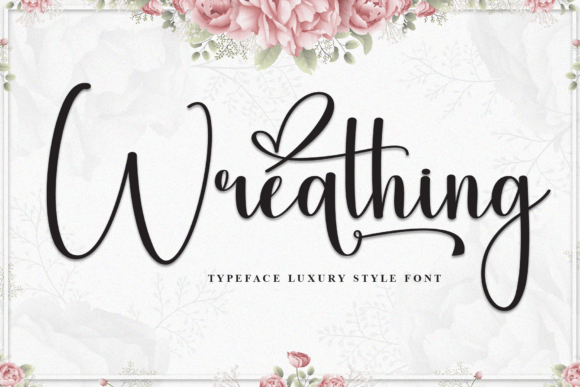
Finding a typeface that genuinely captures warmth and sophistication can feel like searching for a needle in a haystack. Most script fonts either lean too far into casual illegibility or become overly formal and stiff. Wreathing strikes a rare balance. It is a stylish handwritten script font that exudes elegance and charm without sacrificing approachability. With its fluid strokes and natural flow, this typeface creates a captivating, sophisticated look that feels personal and organic. Whether you are designing a high-end logo or a heartfelt wedding invitation, this font brings a sense of warmth and creativity to any project.
As a creative professional, I look for fonts that tell a story. Wreathing does exactly that. It mimics the natural pressure and rhythm of a hand holding a pen, offering a human touch in an increasingly digital world. It is a premium font asset designed for those who want their work to feel curated and authentic.
The Visual Personality of Wreathing
When analyzing a typeface, we have to look beyond the letters themselves and examine the white space and flow. Wreathing is a standout script font because of its "dancing baseline." Unlike rigid serif or sans serif fonts, the letters do not sit on a flat line. They bob and weave slightly, mimicking natural handwriting. This fluidity prevents the text from looking static.
The stroke weight is another defining feature. It offers a medium contrast that suggests the use of a soft brush or a high-quality felt tip. The entry and exit strokes are smooth, allowing for a seamless visual flow when letters connect. This makes it an excellent choice for logo design where the brand name needs to feel cohesive. It avoids the jagged edges often found in distressed or grunge fonts, maintaining a clean, modern typography aesthetic that fits well with contemporary design trends.
Strategic Applications for Modern Creators
Understanding where a font shines is just as important as how it looks. A common mistake in graphic design is using a script font for large blocks of body copy. That is not the job of Wreathing. Instead, it functions best as a display font. It is meant to be the hero element that draws the eye.
Here are practical scenarios where this typeface elevates a project:
- Brand Identity: For lifestyle brands, bakeries, fashion boutiques, or wellness coaches, Wreathing offers the perfect personality. It suggests that the brand is approachable yet professional.
- Packaging Design: Think of artisanal goods. A handwritten font on a label implies the product is crafted with care. It adds value to the perceived quality of the item inside.
- Editorial Design: In magazines or blog headers, this font can be used to highlight pull quotes or feature titles, creating a break from the standard serif font or sans serif font used in the articles.
- Social Media Graphics: On platforms like Instagram, stopping the scroll is key. A dynamic script like this adds a layer of visual interest to announcements, quotes, and sale graphics.
- Stationery: From wedding invitations to greeting cards, the "handwritten" nature of the font adds an emotional connection that digital-looking text cannot replicate.
Mastering Font Pairing and Hierarchy
One of the most critical skills in modern typography is pairing fonts. A creative font like Wreathing needs a partner that complements rather than competes. Because it has such a strong personality, it pairs best with something neutral and structured.
I recommend pairing Wreathing with a clean geometric sans serif font for body text. The simplicity of the sans serif creates a visual "rest" for the eyes, allowing the elegance of the script to stand out. For example, using Wreathing for a main headline and a font like Montserrat or Lato for the paragraph text creates a balanced visual hierarchy.
Avoid pairing it with another script or a highly decorative serif. That creates visual noise. The goal is contrast. The fluid, organic lines of Wreathing work beautifully against the rigid, grid-based structure of a sans serif. This contrast ensures your message is readable while maintaining a sophisticated brand identity.
Technical Considerations and Best Practices
Before integrating any design assets into a commercial workflow, technical evaluation is necessary. Wreathing is a commercial font, meaning it comes with licensing that protects both the creator and the user. Ensure you purchase the correct license for your specific use case, whether it is for web design (using @font-face) or print-on-demand products.
When using this font, pay attention to kerning—the spacing between letters. While the font is well-crafted, large display sizes in logo design sometimes require manual kerning adjustments to ensure the optical spacing looks perfect. Test the font in both light and dark backgrounds. Script fonts with thin strokes can sometimes get lost on busy backgrounds, so ensure there is enough contrast.
Finally, consider the medium. On small mobile screens, intricate script fonts can become illegible. Use Wreathing for large mobile headers or H1 tags, but switch to a legible sans serif for small UI elements. By respecting the limitations of handwritten styles and leveraging their strengths in display contexts, you ensure your designs remain professional, legible, and emotionally resonant.