Amandine Monoline: The Modern Script for Classy Branding
When building a visual identity, the choice of typography often speaks louder than the logo itself. You need a typeface that doesn't just sit there looking pretty but actively communicates the values of the brand. Enter Amandine Monoline, a modern display font that strikes a rare balance between organic flow and structured elegance. It isn't just another script font; it is a carefully crafted design asset that brings a sophisticated, high-end feel to almost any project you throw at it.
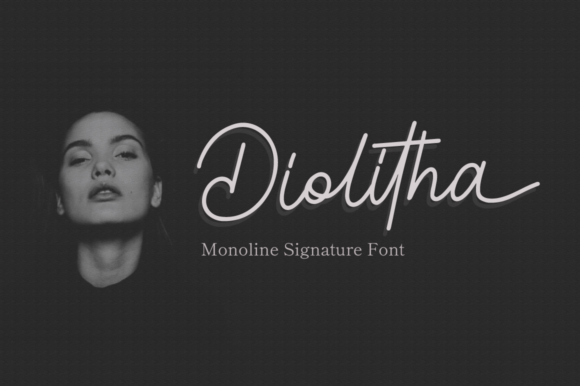
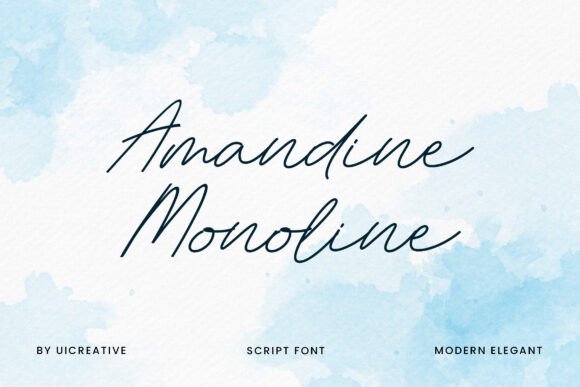
The defining characteristic of Amandine Monoline is its consistent stroke weight. Unlike traditional calligraphy that relies on heavy pressure and light lifts to create thick-and-thin contrasts, a monoline style maintains a steady, single weight throughout the letterforms. This creates a cleaner, more contemporary aesthetic. It removes the clutter of excessive swashes and loops, focusing instead on legibility and rhythm. The result is a typeface that feels "luxe" without being pretentious. It carries a certain masculine stability due to its even weight, yet retains a feminine grace through its flowing connections and rounded shapes.
Visual Personality and Appeal
Describing the "vibe" of a font is subjective, but Amandine Monoline sits firmly in the camp of "modern elegance." It avoids the scratchy, raw look of grunge fonts and the overly polished look of geometric sans serif fonts. Instead, it offers a handwritten quality that feels human but refined.
Imagine the lettering you might see on a high-end wedding invitation or the logo of a boutique fashion label. That is the territory Amandine Monoline occupies. It has a rhythm to it—a bounce in the baseline that makes the text feel alive. However, because it is a modern script, it doesn't compromise on readability. The connections between letters are intuitive, making it easier for the eye to track across a sentence than older, more ornate copperplate scripts.
Where This Creative Font Shines
Understanding where to use a premium font is just as important as choosing it. Because Amandine Monoline is a display font, it is designed to be the star of the show in headlines and logos, rather than the supporting actor in a body paragraph.
Branding and Logo Design
For entrepreneurs and small business owners, a logo needs to be memorable. Amandine Monoline is an excellent choice for logotypes, especially for businesses in the lifestyle, beauty, or fashion sectors. If you are designing a logo for a skincare line, a boutique clothing brand, or a high-end cafe, this font provides an instant sense of credibility. It suggests that the brand pays attention to detail. When used in a logo, the font creates a strong brand identity that feels established and professional right from the start.
Editorial and Publishing
In the world of publishing, hierarchy is king. You need to grab the reader's attention instantly. Amandine Monoline works beautifully for magazine covers, blog headers, and chapter titles. It contrasts exceptionally well against a clean serif font or a simple sans serif font used for body text. This contrast creates a dynamic visual hierarchy that guides the reader's eye exactly where you want it to go.
Digital and Social Media
We live in a visual-first digital world. On platforms like Instagram or Pinterest, your typography has about two seconds to make an impact. Amandine Monoline is perfect for social media graphics, particularly for quotes, announcements, and sale promotions. Its high legibility at various sizes means it renders well on mobile screens, ensuring your message isn't lost in the noise.
Stationery and Packaging
Physical products require a different kind of finesse. For packaging design—think coffee bags, soap labels, or wedding stationery—this font adds a tactile quality. It mimics the look of personalization. Even if the text is printed by a machine, the font gives it the warmth of a handwritten note, which is a powerful psychological trigger for customer engagement.
The Strategic Impact on Brand Perception
Typography is a silent ambassador for your brand. The fonts you choose influence how people perceive your business before they even read the words. Using a typeface like Amandine Monoline signals that a brand is approachable yet sophisticated.
There is a concept in design psychology where "clean" equals "trustworthy." Because this font is a monoline script, it feels organized and intentional. It doesn't look chaotic. For a business owner, this translates to professionalism. When a potential client sees a proposal or a website designed with high-quality typography, they subconsciously assume the quality of the service or product will be equally high.
Furthermore, consistency is vital for brand recognition. When you use Amandine Monoline across your website headers, your email signatures, and your print materials, you create a cohesive visual language. This repetition builds familiarity. Over time, your audience will recognize your brand's "voice" just by glancing at the font style, even before they see your logo.
Practical Guide: Working with Amandine Monoline
Adopting a new typeface into your workflow requires a bit of strategy. Here is how to get the most out of this elegant font.
1. Mastering Font Pairing
Never use a script font for everything. If you try to write a full paragraph in Amandine Monoline, you will tire your readers out. The key is contrast.
- With Sans Serif: Pairing Amandine Monoline with a geometric sans serif font (like Montserrat or Raleway) creates a modern, chic look. This is ideal for tech startups with a human touch or modern lifestyle blogs.
- With Serif: Pairing it with a traditional serif font (like Garamond or Playfair Display) creates a timeless, editorial aesthetic. This works well for wedding invitations or luxury brand catalogs.
2. Hierarchy and Spacing
Because Amandine Monoline is a display font, it demands space. When using it for headings, increase the line height (leading) and letter spacing (tracking) slightly. This allows the loops and connections of the letters to breathe, preventing the text from looking cramped. It treats the font not just as text, but as a visual element or illustration.
3. Testing for Readability
Before finalizing a design, always test the font in the context it will be seen. If you are designing a website header, view it on a mobile phone. If you are designing a label, print a test strip. While Amandine Monoline is legible, certain capital letter combinations can sometimes be tricky in any script font. Ensure your specific wording flows naturally.
4. Licensing and Usage
When sourcing design assets, always ensure you are working with a legitimate commercial font. Amandine Monoline is a premium font, meaning it comes with specific licensing terms. Whether you are using it for a client project or your own merchandise, check the license to ensure it covers your intended use (e.g., print vs. web vs. app). Respecting font licensing is a mark of a professional designer and protects your business from legal issues down the road.
Final Thoughts
Typography trends come and go, but the need for clear, elegant communication remains constant. Amandine Monoline offers a versatile solution for creatives who want to inject personality into their work without sacrificing professionalism. It bridges the gap between the casual nature of a handwritten font and the structured beauty of modern typography. Whether you are a seasoned graphic designer working on a rebrand or a small business owner creating your first set of business cards, this typeface provides a solid foundation for visual storytelling. It proves that sometimes, the simplest lines can make the boldest statements.