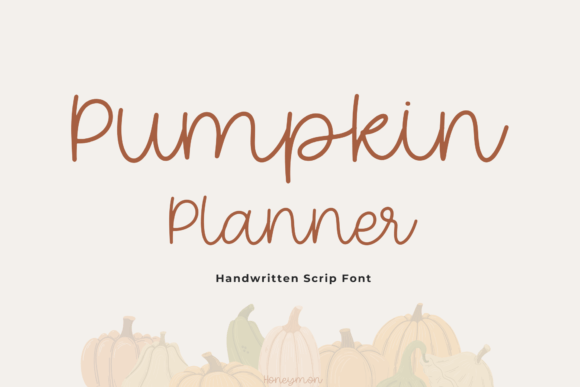
Embrace the Season: Designing with Pumpkin Planner
The moment you encounter Pumpkin Planner, it feels less like selecting a typeface and more like receiving a handwritten note from a friend. It is a premium font that captures the essence of crisp autumn mornings and cozy afternoons spent planning festivities. Unlike rigid corporate typefaces, this script font brings an immediate sense of warmth to any project. It possesses a casual charm that is difficult to replicate with standard sans serif font options. For designers and creators looking to evoke nostalgia, comfort, or a playful spirit, Pumpkin Planner offers a distinct visual voice that resonates deeply with audiences seeking authenticity.
Visually, Pumpkin Planner is defined by its organic flow and gentle imperfections. It is a handwritten font that balances legibility with character, ensuring that the text feels personal without becoming illegible. The strokes have a natural rhythm, mimicking the pressure variations of a real pen on paper. This style avoids the overly polished look of vector art, making it a perfect display font for headers, logos, and short bursts of text. Its personality is undeniably fun and lighthearted, yet it maintains a level of sophistication that prevents it from looking childish. Whether you are working on branding for a boutique bakery or designing a digital planner, the visual warmth of Pumpkin Planner acts as a bridge between the creator and the consumer.
Strategic Applications for Brand Identity and Marketing
Understanding where to deploy a font like Pumpkin Planner is crucial for maintaining a professional brand identity. It shines brightest in packaging design, particularly for artisanal goods, seasonal products, or lifestyle brands. Imagine a candle label or a coffee bag using Pumpkin Planner; the font instantly communicates that the product inside is crafted with care. In the realm of social media graphics, this font cuts through the noise. It is excellent for Instagram stories, Pinterest pins, and Facebook headers where you want to stop the scroll and engage the viewer with a friendly, approachable tone.
For entrepreneurs and small business owners, this creative font is a valuable design asset. It works exceptionally well in logo design for businesses in the wedding industry, event planning, or children’s education. However, context matters. While Pumpkin Planner is versatile within its niche, it is not a replacement for a serif font or sans serif font used in body copy for long-form editorial design. Instead, use it to create visual hierarchy. Pair it with a clean, neutral sans serif for the body text to ensure your message is readable while the headers retain that cozy, inviting aesthetic.
Mastering Font Pairing and Visual Hierarchy
One of the most common mistakes in modern typography is overusing a decorative script. To get the most out of Pumpkin Planner, you must embrace the art of font pairing. Because Pumpkin Planner has a strong personality, it requires a grounding partner. A geometric sans serif or a clean slab serif provides the necessary contrast to let the script shine without overwhelming the reader. This interplay creates a clear visual hierarchy, guiding the eye naturally from the expressive header to the informational body text.
Consider the psychological impact on your audience. The use of a handwritten style like Pumpkin Planner can lower barriers, making a brand feel more accessible and human. In web design, this can increase audience engagement by reducing the "coldness" often associated with digital interfaces. When users see a font that mimics human touch, it subconsciously builds trust. This is vital for bloggers and content creators who rely on personal connection to build their community. The font signals that there is a real person behind the screen, not just an algorithm.
Practical Guide to Implementation and Licensing
Before integrating Pumpkin Planner into your workflow, a few practical checks are necessary. First, always review the included styles. Many premium fonts come with alternates, ligatures, and swashes that can elevate your design. Take the time to explore the glyph map; you might find a unique swash for the letter 'P' or a ligature for 'pl' that adds a special touch to your header. Second, test for readability at different sizes. While it looks beautiful large, resize it to see how it holds up if you decide to use it for subheadings or short callouts.
Licensing is another critical area for commercial use. If you are using Pumpkin Planner for a client’s logo, merchandise, or a product you intend to sell, ensure you have the correct commercial license. Most font foundries have specific tiers for desktop use versus app embedding or large-scale manufacturing. Ignoring this can lead to legal headaches down the road. Finally, test your color palette. Handwritten fonts often look best with softer colors or textured backgrounds that complement their organic nature, rather than stark black-on-white high-contrast settings which can sometimes feel too harsh.
Ultimately, Pumpkin Planner is more than just a creative font; it is a mood setter. It is an ideal choice for marketers, crafters, and designers aiming to capture the spirit of autumn, the warmth of home, or the joy of creativity. By using it thoughtfully and pairing it with complementary design assets, you can create visuals that not only look professional but also feel deeply personal. Whether for a seasonal campaign or a year-round brand identity, this typeface proves that sometimes, the best designs are the ones that feel a little bit human.