Overline: A Script Font for Modern Elegance
Finding the right typeface can feel like searching for a specific note in a symphony. You know the feeling you want to evoke, but translating that into pixels or print is a distinct challenge. When a project calls for a touch of personal elegance without sacrificing clarity, a thoughtfully designed script font becomes an invaluable tool. This is where Overline enters the conversation. It’s not merely a collection of connected letters; it’s a carefully crafted system designed to bring a sense of refined sophistication to your work. The character set feels both familiar and fresh, offering the warmth of a handwritten note with the precision required for professional applications. Its true strength lies in this balance—it feels personal and human, yet structured enough to maintain a polished presence across various media.
The Anatomy of Elegance: What Defines Overline's Style
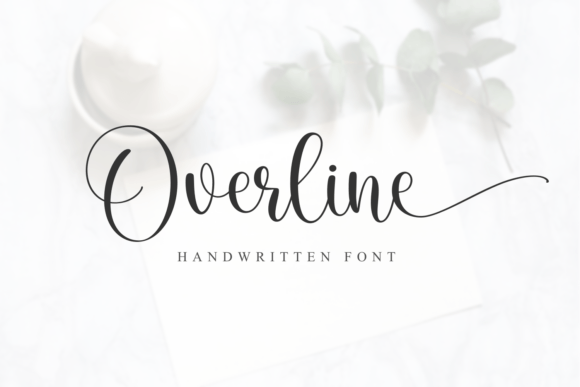
At its core, Overline is a script font that prioritizes clean, flowing lines. You won't find excessive swashes or overly ornate loops here. Instead, the focus is on legible, graceful strokes that mimic the natural rhythm of a skilled hand. This simplicity is its greatest asset. The letterforms have a consistent baseline and x-height, which contributes to its overall readability, even at smaller sizes. The connections between letters are smooth and logical, avoiding the tangled look that can plague some script fonts. This makes Overline an exceptionally versatile premium font. It carries the personality of a handwritten font but with a level of control that allows it to function effectively in structured layouts. Think of it as the typographic equivalent of a well-tailored suit—it’s inherently stylish, but its real value is in how it elevates the wearer without overwhelming them. The aesthetic is decidedly modern, leaning into minimalist sensibilities while retaining a timeless warmth.
Practical Applications: Where Overline Truly Shines
Understanding a font's personality is one thing; knowing where to deploy it is another. Overline’s balanced nature makes it a strong contender for a wide array of projects. In logo design, it can lend an instant air of approachability and premium quality, especially for brands in the lifestyle, beauty, wellness, or boutique service sectors. For a small business owner crafting their brand identity, using Overline for a logotype or submark can establish a cohesive, elegant look from the start. It communicates care and attention to detail, which can positively influence brand perception.
Beyond logos, its utility extends into editorial design and publishing. As a display font, it’s perfect for chapter titles, pull quotes, or section headings in magazines, books, and blogs. It creates a beautiful visual hierarchy when paired with a clean sans serif font or a classic serif font for body text. This font pairing strategy allows you to leverage Overline's expressive quality for impact while ensuring the main content remains highly readable. In packaging design, Overline can make a product feel artisanal and special. Imagine it on a candle label, a bakery box, or a skincare product—it immediately suggests a crafted, thoughtful experience. For digital creators, it’s a fantastic choice for social media graphics, website hero sections, or email newsletter headers, where you need to grab attention and convey a specific mood quickly. Its PUA encoding is a practical bonus, ensuring you can access all glyphs and stylistic alternates in any design software without hassle, making it a truly accessible design asset.
Integrating Overline into Your Workflow: A Practical Guide
Choosing a font is just the first step. Successful implementation requires thoughtful evaluation. Before you commit to Overline for a project, test it in context. Place it alongside your other chosen typefaces and see how it interacts. Does it complement the weight and style of your sans serif or serif partner? Check its readability at the intended size—a beautiful script can become illegible if used too small for body copy. Its ideal role is often as a accent, not the workhorse. Consider the mood of your project. Overline’s sophistication is perfect for elegant invitations, luxury branding, or inspirational quotes, but it might not be the best fit for a technical manual or a children’s playful activity book.
When you download Overline, take time to review the full character set. Explore the swashes and alternate letters. These extras can add a unique flair to specific words or initials, but use them sparingly to avoid visual clutter. For commercial projects, always verify the licensing. A reputable commercial font like Overline will come with clear licensing terms that cover your intended use, whether for a client project, merchandise, or a digital product. This is a non-negotiable step for any professional work. Finally, remember that typography is about communication. Overline should enhance your message, not obscure it. Used with intention, this creative font becomes more than just an asset; it becomes a key component of your visual storytelling, helping to build recognition, foster engagement, and project the exact level of professionalism your work deserves.