Waiting for Love: A Script Font for Meaningful Design
There’s a particular feeling you get when you see a design that just clicks. It’s not just about looking good; it’s about feeling right. The “Waiting for Love” script handwritten font taps directly into that feeling. It’s a premium font that doesn’t just display words; it conveys emotion. With its flowing, natural letterforms and a personality that balances graceful elegance with approachable warmth, this typeface becomes a central character in your project’s story. It’s less about strict typography theory and more about practical, emotional impact for the creator who understands that the right font can make all the difference.
The Visual Heartbeat: More Than Just a Script Font
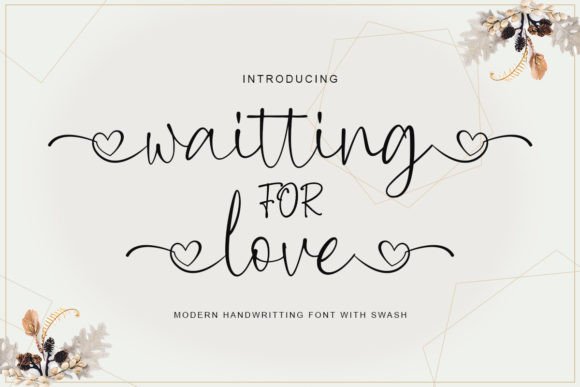
At first glance, the “Waiting for Love” font presents a classic calligraphic style, but a closer look reveals its thoughtful design. The strokes have a natural, hand-lettered quality with subtle variations in thickness, mimicking the pressure of a skilled hand with a brush or nib. This isn’t a stiff, perfect script; it’s one with life and movement. The connections between letters are fluid, and the overall texture feels organic, avoiding the mechanical perfection that can sometimes make digital script fonts feel cold. This handwritten font carries a personality of sincere romance and thoughtful craftsmanship. It’s ideal for projects where you want to evoke a sense of personal touch, nostalgia, or heartfelt celebration, making it a powerful asset in any designer’s toolkit of creative fonts.
Its appeal lies in this duality. It possesses the sophistication needed for a high-end brand identity, yet it retains the warmth of a personal note. This makes it incredibly versatile. For a wedding invitation, it sets a tone of timeless romance. For a boutique bakery’s logo, it communicates homemade care and quality. The font works because it feels authentic, a quality that modern typography often strives to capture.
Where This Creative Font Truly Shines: Practical Applications
Understanding where “Waiting for Love” excels is key to using it effectively. It’s a display font by nature, meaning it’s crafted for headlines, logos, and prominent text where its intricate details can be appreciated, not for long body paragraphs. Its strengths are best realized in projects that call for emotional resonance and a personal stamp.
Consider these real-world applications across different fields:
- Wedding & Event Design: This is its natural habitat. Use it for save-the-dates, invitations, programs, menus, and table numbers. It creates a cohesive, romantic aesthetic that feels both professional and deeply personal.
- Brand Identity & Logo Design: For businesses centered on love, relationships, craftsmanship, or luxury, this font can be the cornerstone of a memorable logo. Think wedding planners, jewelers, artisanal gift shops, high-end florists, or boutique hotels. It helps build a brand identity that feels intimate and premium.
- Editorial & Packaging Design: In publishing, it’s perfect for chapter headings in a romance novel or title treatments for lifestyle magazines. In packaging, it can elevate the perceived value of products like gourmet chocolates, scented candles, or skincare lines, suggesting a story behind the brand.
- Digital & Social Media Graphics: The font’s character translates beautifully to screen. Use it for impactful website headers, Instagram story highlights, quote graphics, or YouTube thumbnails. It stops the scroll by adding a layer of elegance and emotion that standard sans serif fonts often lack.
- Personal & Craft Projects: Beyond commercial use, it’s a fantastic design asset for creating custom wall art, personalized greeting cards, scrapbooking, or DIY decor. It allows hobbyists and crafters to produce professional-looking results with a heartfelt touch.
Making It Work: A Practical Guide to Font Pairing and Use
Adding a new font like “Waiting for Love” to your project is exciting, but a strategic approach ensures it enhances rather than overwhelms. Here’s how to integrate it effectively into your workflow.
Evaluate the Fit: Before committing, ask if the font’s personality aligns with your project’s core message. Is the goal to convey romance, luxury, or artisanal care? If yes, it’s likely a strong fit. If your project requires a more neutral or technical tone, a different typeface might be better.
Master the Pairing: This is where the magic happens. A script font like “Waiting for Love” needs a stable partner to ensure readability and visual hierarchy. The classic rule of thumb is to pair a decorative font with a simple one.
- With a Serif Font: For a traditional, elegant feel, pair it with a clean, readable serif font. The serif’s structured form provides a beautiful contrast to the script’s flow, creating a sophisticated and timeless look. This works well for wedding invitations and editorial layouts.
- With a Sans Serif Font: For a more modern, balanced aesthetic, combine it with a neutral sans serif. The sans serif’s simplicity lets the script font be the star while ensuring body text remains crisp and legible. This pairing is excellent for web design, social media graphics, and contemporary branding.
Review the Package: A good premium font often comes with more than just basic letters. Look for alternate characters, ligatures (special letter combinations), and stylistic sets. These extras allow you to customize the look further, ensuring your design feels unique. Always check the commercial licensing terms to ensure they cover your intended use, whether for a client project or your own business.
Test for Readability: Always test your chosen font pairing at the size it will be viewed. A beautifully styled heading is useless if the accompanying body text is hard to read. The goal is a harmonious balance where the display font captures attention and the supporting font delivers the message clearly.
Ultimately, the “Waiting for Love” script handwritten font is a powerful tool for designers, marketers, and creators who want to infuse their work with emotion and elegance. It’s a design asset that helps tell a story, build a brand identity, and create connections that resonate on a human level. By applying it thoughtfully to the right projects and pairing it wisely, you can create designs that don’t just look beautiful—they feel meaningful.