Introducing Latoya Williams: A Font for Romantic Designs
When a project calls for a touch of human warmth and undeniable elegance, the choice of typeface becomes the foundational decision. It sets the mood before a single word is read. This is where a thoughtfully crafted script font like Latoya Williams enters the conversation. It’s not just a collection of letters; it’s a design asset with a distinct personality, ready to infuse your work with a sweet and pleasing aura. Designed for compositions that demand a romantic flourish, particularly for wedding functions, this premium font offers a blend of modern calligraphy and timeless style.
The Visual Character: More Than Just Swashes
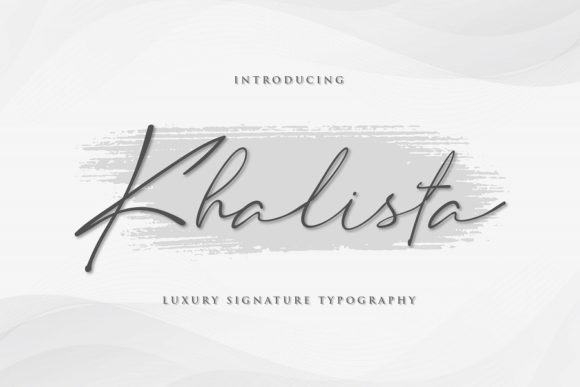
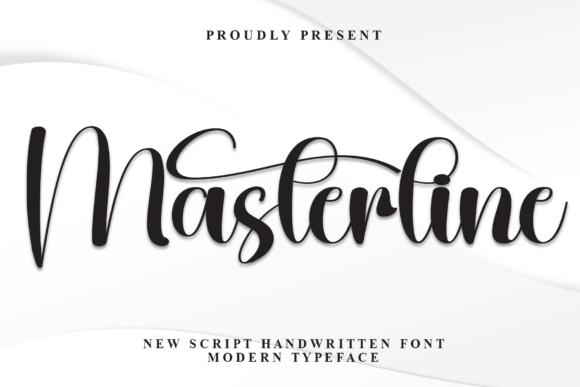
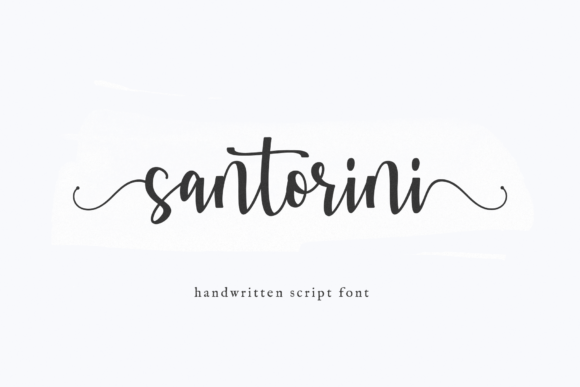
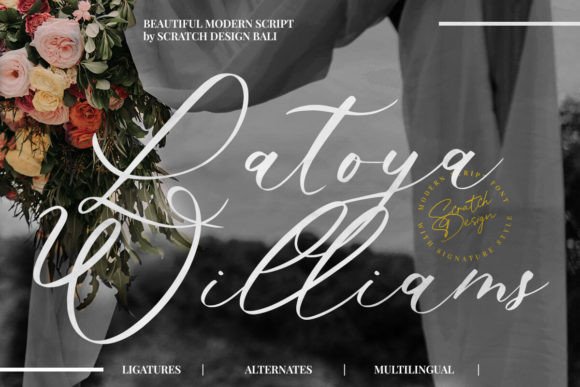
At first glance, Latoya Williams presents a fluid, connected script that feels both personal and polished. Its strength lies in its nuanced details. The letters flow with an elegant rhythm, creating a sense of movement that guides the eye. The true artistry is revealed in the lowercase letters, where exquisitely crafted beginning and ending swashes add a dramatic yet graceful touch. These aren't just decorative tacked-on elements; they are integral to the font's identity, making each word feel like a hand-lettered note.
This type of creative font is best understood as a display font. Its primary role is to capture attention and convey a specific emotion—in this case, romance, sophistication, and celebration. Think of it as the typographic equivalent of a beautifully arranged bouquet. You wouldn't use it for long paragraphs of body copy in a book, but for a headline on a wedding invitation or a hero quote on a poster, it’s exceptionally effective. Its visual personality makes it a fantastic tool for projects where brand perception hinges on feelings of intimacy, luxury, and bespoke craftsmanship.
Practical Applications Across Your Creative Projects
Understanding a font's strengths allows you to deploy it effectively. Latoya Williams excels in contexts where a single, impactful statement is needed. For entrepreneurs and small business owners, this commercial font can become a cornerstone of a brand identity for businesses in the wedding industry, floral design, boutique bakeries, or high-end cosmetics. Imagine it on a logo design for a bridal salon or as the primary typeface on a product label for artisanal perfumes—it immediately communicates the right aesthetic.
For designers and marketers, its applications are broad. Consider these practical uses:
- Wedding Invitations & Stationery: The most natural fit. Use it for the couple's names and key headings to create an unforgettable first impression.
- Packaging Design: Elevate the perceived value of gift boxes, candle labels, or chocolate packaging with elegant typographic accents.
- Editorial & Magazine Layouts: Use it for pull quotes, feature story titles, or chapter headings in lifestyle and bridal magazines to add a touch of sophistication.
- Social Media Graphics: Create captivating quotes, announcement posts, or story highlights that stand out in a crowded feed. Its visual appeal is perfect for platforms like Instagram and Pinterest.
- Web Design: As a hero font for a landing page or for a special announcement banner, it can draw visitors in. Just be mindful of readability at smaller sizes.
Content creators and bloggers can leverage Latoya Williams for featured images, digital product covers, or printable art. The key is to use it strategically, pairing it with a simpler, highly legible sans serif font or a clean serif font for body text. This contrast creates a strong visual hierarchy, ensuring your beautiful script headlines are balanced by text that is easy to read.
Making It Work: A Guide to Selection and Pairing
Choosing the right font is a critical step in any design process. Before integrating Latoya Williams into a project, evaluate its fit. Does the project's tone align with a romantic, elegant, or celebratory theme? Is the primary goal to create an emotional connection or convey luxury? If the answer is yes, it’s likely a strong candidate.
Next, consider font pairing. A common mistake is pairing two expressive script or handwritten font styles together, which creates visual chaos. The best practice is to pair this expressive script with a neutral, stable counterpart. A geometric sans serif like Montserrat or a classic serif like Garamond can provide a perfect counterbalance, ensuring your overall design remains professional and readable.
Always test the font in context. Check how the swashes interact with each other in different words. Some letter combinations might require manual adjustment in advanced design software to achieve perfect spacing and flow. Review the font's full character set; many premium fonts include alternate characters, ligatures, and stylistic sets that offer even more creative control. Finally, ensure you understand the licensing. For any project that involves selling a product or service—a logo, a client's wedding stationery, a product package—you need a commercial font license. This legal step protects both you and the font creator, forming a responsible part of your professional design assets toolkit.