Priestley: A Script Font for Projects That Need Personality
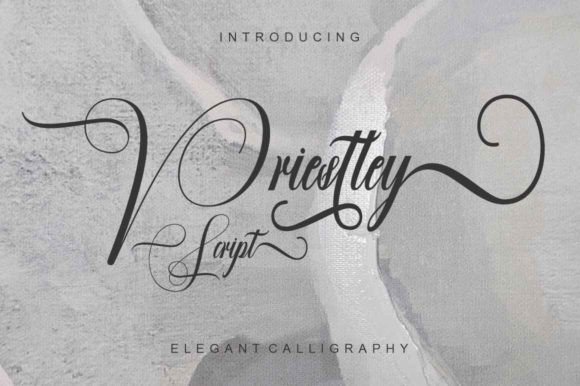
Finding a script font that feels genuinely fresh is harder than it sounds. Many aim for elegance but end up feeling stiff or overly formal. Others chase a casual vibe and land somewhere messy or illegible. Priestley strikes a different balance. It’s a modern script font with a distinct handmade calligraphy style, but it avoids the pitfalls of its genre. The characters have a decorative flair, yet they remain clear. The baseline dances, but it doesn’t trip. This combination gives Priestley a unique personality—simultaneously approachable and sophisticated, contemporary yet timeless.
Where Priestley Shines: Real-World Applications
The true test of any display font is how it performs in the wild. Priestley isn’t just a pretty face for font specimen sheets; it’s built for practical use across a wide range of creative and commercial projects. Its strength lies in its ability to inject warmth, authenticity, and a human touch into designs that might otherwise feel sterile or generic.
For branding materials, Priestley is a powerful tool. Imagine it on a boutique bakery’s logo, a wellness coach’s business card, or a handmade jewelry brand’s packaging. It instantly communicates craftsmanship, care, and a personal touch. This script font excels in logo design for businesses that want to feel curated, not corporate. It’s equally effective in packaging design, where it can make a product feel special and considered before the customer even opens the box.
In the realm of editorial design and publishing, Priestley offers a compelling alternative to standard headline fonts. Use it for chapter titles in a cookbook, pull quotes in a lifestyle magazine, or featured headings on a blog. It draws the eye without shouting, adding a layer of visual interest that enhances the reading experience. For social media graphics, it’s a standout choice. A quote from an influencer, a sale announcement for a small shop, or a personal brand’s Instagram story gains immediate character and scroll-stopping power when set in Priestley.
Personal projects benefit just as much. Think wedding invitations, greeting cards, or custom stationery. The handwritten font style feels intimate and celebratory, perfect for occasions that matter. For crafters and hobbyists creating printable art or scrapbook elements, Priestley provides that professionally designed, boutique-quality look.
Making the Most of Priestley: Practical Guidance
Adopting a new creative font like Priestley requires a bit of strategy to ensure it works harmoniously within your project. The goal is to leverage its strengths while maintaining clarity and professionalism.
First, consider its role in your visual hierarchy. Priestley is a display font, meaning it’s designed for impact at larger sizes. It’s ideal for headlines, logos, and short bursts of text where personality is paramount. For body copy, you’ll want to pair it with a highly legible serif font or sans serif font. A clean sans serif like Montserrat or a classic serif like Lora can provide a stable, readable foundation, allowing Priestley’s expressive qualities to shine without overwhelming the page. This thoughtful font pairing is key to creating balanced, professional layouts.
Always test the font in context. Priestley’s dancing baseline and decorative swashes are part of its charm, but they can affect readability if overused. Use it for short headlines, not for paragraphs of text. Check how specific letter combinations look in your chosen words. Most premium fonts like Priestley include alternate characters and ligatures—explore these options in your design software to fine-tune the flow and avoid awkward joins. This attention to detail separates good design from great design.
Evaluate the project fit honestly. Ask yourself: does this font’s personality align with the message and audience? Priestley works beautifully for brands and projects that value approachability, creativity, and a human touch. It might be less suitable for a law firm’s annual report or a tech startup’s data dashboard, where clarity and neutrality are the top priorities. For everything from web design hero sections to print posters, however, it’s a versatile design asset.
Finally, understand the licensing. As a premium font, Priestley comes with a commercial license. Ensure you purchase the correct license for your intended use—whether for a single client project, your own business’s brand identity, or a product for sale. Respecting font licensing is not just legal compliance; it’s a mark of professionalism in the design community.
The Subtle Power of a Well-Chosen Typeface
Choosing a typeface is rarely just about aesthetics; it’s a strategic decision that influences how an audience perceives a message. Priestley, as a modern typography choice, does more than decorate. Its style can shape brand perception, signaling values of authenticity, creativity, and attention to detail. When used consistently, it becomes a recognizable element of your brand identity, fostering familiarity and trust.
The font’s inherent rhythm and flow can guide the viewer’s eye, creating a natural visual hierarchy that makes information easier to digest. This improves readability at a macro level, even though the font itself is decorative, because it helps organize content logically. In marketing materials, this can translate to better audience engagement. A social media post or email header set in Priestley feels more personal and inviting than one in a standard system font, potentially increasing click-through and response rates.
Ultimately, Priestley is a tool for adding a specific kind of voice to your work. It’s the voice of a skilled artisan, a thoughtful host, or a creative visionary. By understanding its character and applying it with intention, you can elevate your projects from merely functional to truly memorable. It’s a font that doesn’t just display words—it helps tell a story.